https://www.podbean.com/media/share/pb-gzaaq-163fde4
Learn more about how to Egg Donor Agency Fee is calculated.
Parenting | Pregnancy | Childbirth
https://www.podbean.com/media/share/pb-gzaaq-163fde4
Learn more about how to Egg Donor Agency Fee is calculated.
https://www.podbean.com/media/share/pb-rj37f-163fdbf
Join Bailey Gaddis as she explains the family risk assessment or genetic assessment required by clinics. Learn what to expect during the call with a genetic counselor, including the types of questions you’ll be asked about your family’s medical history and how this information is used to assess potential risks for future children.
Bailey also shares tips on how to prepare for this straightforward and informative call, ensuring you understand the results of your genetic carrier screening. Whether you’re an egg donor or simply curious about the process, this episode provides valuable insights into the beautiful underbelly of making, growing, and raising babies.
https://www.podbean.com/media/share/pb-s5rxj-163fdb0
In this episode, host Bailey Gaddis explores the complex world of egg donation fees. Discover how donor fees are calculated, the factors that influence these fees, and how agencies work with both donors and intended parents to find a fair and reasonable compensation. Gain insights from industry experts and hear real stories from brave women who have gone through the process.
https://www.podbean.com/media/share/pb-fqzek-163fda7
In this episode, we break down the egg donation process, a common query at my donation and surrogacy agency, Graceful Beginnings. From selecting a donor profile to navigating legal and medical evaluations, we cover every step intended parents need to know. Whether you’re looking for fresh or frozen eggs, we guide you through the psychological evaluations, genetic screenings, and escrow account setup. Learn about the importance of having an open mind when choosing a donor and the detailed logistics of the egg retrieval process. This episode is a comprehensive guide for anyone considering moving forward with donor eggs.
https://www.podbean.com/media/share/pb-t5mrv-163fd9a
If you are an egg donor and you have been matched with intended parents, this episode is for you. You’ll learn about the genetic carrier screening, family risk assessment, and psychological evaluation that you’ll undergo. If those results are favorable, you’ll move on to a medical evaluation at the intended parents’ clinic. Expect a two-hour visit that includes a urinalysis, an ultrasound, a blood test, and possibly a physical. You’ll meet the fertility doctor and nurse coordinator, who will guide you through the medication and injection process. This episode ensures you leave with a solid understanding of the next steps and your responsibilities.
https://www.podbean.com/media/share/pb-pi5cr-163fd8d
Join Bailey Gaddis as she provides expert tips and personal insights on creating a list of criteria, accessing donor databases, and keeping an open mind throughout the search. Whether you’re working with an agency or consulting specialized services, Bailey’s guidance aims to make your journey smoother and more informed.
https://www.podbean.com/media/share/pb-mkmux-163fd76
One of the primary benefits of egg donation is the profound impact you can have on another person’s life. It’s a purely altruistic act that helps someone start their family. In addition to changing lives, egg donors gain an in-depth understanding of their reproductive health through ultrasounds and blood work, as well as insights into their genetics via genetic carrier screening. Mental health evaluations and family risk assessments further illuminate personal and familial medical histories.
Donors receive generous compensation, with first-time donors starting at $10,000. Subsequent cycles see increased fees, ensuring fair payment for donors and intended parents. Out-of-town donors also get to explore new cities with all expenses paid, including airfare, accommodations, and a daily food allowance.
https://www.podbean.com/media/share/pb-p8bay-163fd52
Learn about the importance of detailed and authentic answers, the impact of flattering photos, and more in the Egg Donor Profile. Bailey also offers insights into what intended parents are looking for and how to present yourself in the best light. Tune in for practical advice that can increase your chances of being selected as an egg donor.
https://www.podbean.com/media/share/pb-5ra6j-163fd38
In this episode, I am here to demystify all of the costs involved in egg donation. Whether you are an egg donor or an intended parent, I break down the various expenses you may encounter. From agency fees to travel coordination, psychological evaluations to legal fees, I cover it all. Get a clear understanding of what to expect financially and tips on how to manage these costs effectively.
https://www.podbean.com/media/share/pb-bqwsa-163fd0e
Are you someone who is fascinated by all the pregnancy, childbirth, and motherhood stuff few people talk about because they’re too embarrassed? If so, welcome to the motherload of all things taboo, or at least really wild and interesting. The Asking for a Pregnant Friend podcast is based off the book of the same name and dives into all of the pregnancy, birth, and mothering topics that make many people blush or scratch their heads. I do all the boring research so you don’t have to and bring you interviews with the leading experts in the topics I cover. I also share all the things about myself, Bailey Gaddis. I’m all about TMI. You’ll also hear stories from brave women who gave permission to have their stories shared. So come along, my friend, on a journey into the beautiful underbelly of making, growing, and raising babies.
Pretty much all of us have heard about postpartum depression, but something that many women aren’t as familiar with is perinatal depression. This episode sheds light on this condition, which develops during pregnancy due to hormonal shifts, life changes, and genetic factors. Learn about the subtle symptoms that can be easily mistaken for typical pregnancy experiences, and understand when it is crucial to seek professional help. We discuss the importance of talking to your care provider if you feel persistently sad, overwhelmed, or if these feelings impact your quality of life.
If your doctor suspects perinatal depression, they may refer you to a mental health specialist and potentially recommend safe medications. Remember, support and relief are available, and you don’t have to suffer in silence. Tune in to gain insights and practical advice on navigating perinatal depression.
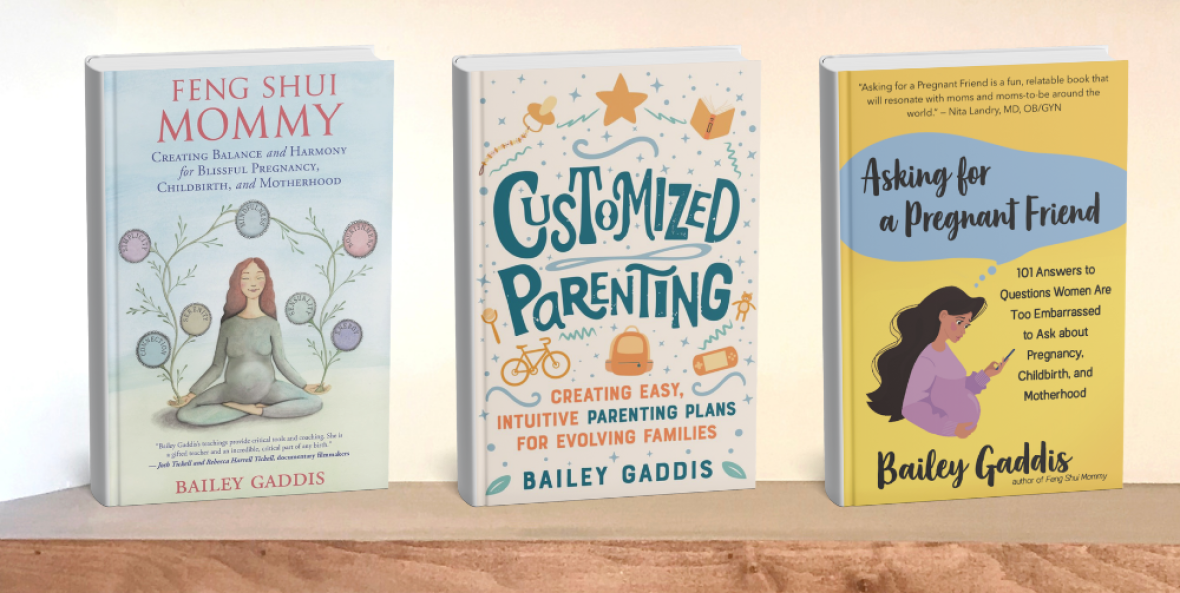
Are you newly pregnant and overwhelmed by the prospect of navigating this journey? Are you hoping to find calm, empowerment, and transformation but don’t know how to make that happen? Enter the book Feng Shui Mommy, Creating Balance and Harmony for Blissful Pregnancy, Childbirth, and Motherhood. This holistic companion offers in-depth guidance through all four trimesters, providing specific suggestions for mind, body, and spirit nourishment. Welcome delight and curiosity into your journey while embracing each phase with purpose and calm. Get your copy from Amazon, Barnes & Noble, Target, and other major retailers.
https://www.podbean.com/media/share/pb-ann5a-163fcf3
Are you someone who is fascinated by all the pregnancy, childbirth, and motherhood stuff few people talk about because they’re too embarrassed? If so, welcome to the motherload of all things taboo, or at least really wild and interesting. The Asking for a Pregnant Friend podcast is based off the book of the same name and dives into all of the pregnancy, birth, and mothering topics that make many people blush or scratch their heads. I do all the boring research so you don’t have to and bring you interviews with the leading experts in the topics I cover. I also share all the things about myself, Bailey Gaddis. I’m all about TMI. You’ll also hear stories from brave women who gave permission to have their stories shared. So come along, my friend, on a journey into the beautiful underbelly of making, growing, and raising babies.
Postpartum hemorrhaging, or essentially excessive vaginal bleeding after having a baby, happens to 1 to 5 in 100 women. This episode explores the primary causes, symptoms, and treatments of postpartum hemorrhaging. Learn how the uterus continues to contract after childbirth to help the placenta release and how complications can arise if the placenta does not detach properly. Understand the signs of postpartum hemorrhage, including excessive bleeding, sudden drop in blood pressure, and other alarming symptoms. Discover what care providers do to manage and treat postpartum hemorrhaging, from administering fluids and medications to performing surgical interventions if necessary.
Remember, your care providers are there to support you and ensure your well-being. If you ever have concerns about your postpartum symptoms, always reach out to your healthcare team. Tune in to gain valuable insights and feel empowered in your journey through motherhood.
If you have any questions about this or anything else about pregnancy, childbirth, early motherhood, let me know in the comments. If you can like, subscribe, comment, that would be so incredibly helpful. That will allow me to keep providing this content for you guys. All right. Love you.
https://www.podbean.com/media/share/pb-bqe99-163fcfd
Are you fascinated by all the aspects of pregnancy, childbirth, and motherhood that often go unspoken? Welcome to the “Asking for a Pregnant Friend” podcast, your go-to source for taboo, intriguing, and essential topics surrounding motherhood. Based on the book of the same name, our podcast delves into the lesser-discussed areas of pregnancy, birth, and mothering with expert interviews, personal stories, and all the TMI details from your host, Bailey Gaddis.
In this episode, we focus on one of the most crucial exams new mothers face: the six-week postpartum checkup. Learn what to expect during this vital visit, from physical exams to mental health assessments. Discover why this appointment is key for confirming your physical and emotional well-being and get tips on preparing for the checkup. We’ll also discuss postpartum birth control options, the importance of mental health screenings, and when it’s safe to resume sexual activity.
Join us on this journey into the beautiful underbelly of making, growing, and raising babies. Don’t forget to like, subscribe, and comment to keep this valuable content coming your way!
https://www.podbean.com/media/share/pb-xz6iy-163fceb
Are you someone who is fascinated by all the pregnancy, childbirth, and motherhood stuff few people talk about because they’re too embarrassed? If so, welcome to the motherload of all things taboo, or at least really wild and interesting. The Asking for a Pregnant Friend podcast is based off the book of the same name and dives into all of the pregnancy, birth, and mothering topics that make many people blush or scratch their heads.
I do all the boring research so you don’t have to and bring you interviews with the leading experts in the topics I cover. I also share all the things about myself, Bailey Gaddis. I’m all about TMI. You’ll also hear stories from brave women who gave permission to have their stories shared. So come along, my friend, on a journey into the beautiful underbelly of making, growing, and raising babies.
After having a baby, you will go through three stages of postpartum bleeding. This postpartum bleed is called lochia and consists of blood, tissue lining of your uterus, amniotic fluid, different bacteria, microorganisms, and any leftover fetal membranes. In this episode, we discuss the three stages of lochia: lochia rubra, lochia serosa, and lochia alba, including what to expect and when to seek medical advice.
If you have any questions about this or anything else about pregnancy, childbirth, or early motherhood, go ahead and let me know in the comments. If you can like, subscribe, and comment, that would be so incredibly helpful. That will allow me to keep providing this content for you.
Is pregnancy or early motherhood making you feel other than? Is it triggering all sorts of weird emotional and physical stuff you are sure no one else is going through? If so, get your copy of Asking for a Pregnant Friend: 101 Answers to Questions Women Are Too Embarrassed to Ask About Pregnancy, Childbirth, and Early Motherhood. This book is like the modern-day Dear Abby for pregnant women and new moms who want to get straight yet loving answers to the questions that make you blush. You can get your copy on Amazon, Barnes & Noble, Target, and everywhere else books are sold.
https://www.podbean.com/media/share/pb-28qem-163fcbd
Are you fascinated by all things pregnancy, childbirth, and motherhood that few people talk about? Welcome to the Asking for a Pregnant Friend podcast, where we dive into taboo and interesting topics based on the book of the same name. Hosted by Bailey Gaddis, this episode uncovers the misconceptions about foremilk and hindmilk, explaining the differences and benefits of each. Learn how your baby’s feeding process works and why both types of milk are essential for their development. Join us on a journey into the beautiful underbelly of making, growing, and raising babies.
Discover how the watery foremilk, rich in lactose, supports brain and nerve development, while the fattier hindmilk provides the energy and nutrients needed for growth. Bailey Gaddis breaks down the science in an easy-to-understand way, ensuring you have all the information you need for a blissful breastfeeding experience.
Don’t forget to like, subscribe, and comment to keep this empowering content coming your way. For more in-depth guidance, check out Bailey’s book, Feng Shui Mommy, available at Amazon, Barnes & Noble, Target, and other retailers.
https://www.podbean.com/media/share/pb-abtc9-163fcb3
Welcome to another insightful episode of the Asking for a Pregnant Friend podcast! Host Bailey Gaddis dives into the frequently asked question about maintaining intense exercise routines during pregnancy. Can it harm the baby? Will it cause a miscarriage? Bailey shares expert advice from doctors and midwives to clarify these concerns.
Discover if it’s safe to continue your pre-pregnancy workout plan and learn about the exercise modalities recommended for expecting mothers. Whether you’re an athlete or someone looking to start a fitness regime during pregnancy, this episode offers valuable guidance on how to stay active safely.
Bailey also provides a sneak peek into her upcoming book on crafting your unique parenting style, blending intuition with evidence-based information. Tune in for practical tips, heartfelt stories, and a supportive community on your journey through pregnancy and motherhood.

In the early days of Hudson’s life, I felt rudderless. The home organizing business I had before he was born couldn’t continue without me driving to Los Angeles every day, and I couldn’t afford regular childcare. And because my husband was a teacher, it wasn’t an option for him to stay home. I suddenly found myself without a job or a passion outside motherhood. I felt like life was a VHS that rewound as I slept and replayed every day. Then one day, driving home from an RIE (Resources for Infant Educarers) class, I had an idea for a book. Suddenly pumped, I sat in my driveway for an hour breastfeeding Hudson and making notes on my phone. From that point, I wrote every time Hudson fed. This new project pulled me out of the postpartum blues I’m pretty sure was on its way to becoming depression. Ideally, I would have had numerous uninterrupted hours to work each day, but I took what I could get.
So I get it. I get the pull to return to work, whether that’s retreating to your home office five hours a day or heading back to your job outside the home. Some women feel relieved when they can become a stay-at-home mom, others are bummed when they have to return to work, and a few of us are yearning to dive back into our career. There’s nothing wrong with any of these feelings — it just shows we’re all different in our needs. It’s okay if your cup doesn’t runneth over from motherhood alone — this in no way indicates you’re not bonding properly or aren’t meant to be a mother. It means you’re a dynamic human who requires an array of activities and passions to be fulfilled. And it doesn’t hurt to feel financially independent.
However, I get why you’re wary about this desire. An ongoing issue in the United States is the severe lack of maternity leave available to most women. This leads many mothers to dread the return to work, and the rest of us to assume there must be something wrong with us if we’re looking forward to that return. Some of us might even think we’re not as maternal or selfless as the women wanting to extend their leave. But the best path for each mother-baby pair is unique. There will be some who crave constant togetherness for the early phase of baby’s life, and others perfectly happy seeing one another in the morning and evening. There’s not one right way. You get to miss your job and figure out how to go back early. You get to love your job without feeling like that means you love your baby less.
Making a plan with your partner about how to get you back to work may be simple, or really tricky. If you have the money for childcare and your partner understands your need to get back to career mode, you should have relatively smooth sailing. But if that’s not the case, things might be more challenging. For example, if your partner would need to stay home, or at least share more childcare duties, to enable you to go back to work, you may get pushback — especially if your partner is male.
While our culture is slowly shifting, a deeply embedded societal norm still gives the woman responsibility for things at home, with the man working outside the home. This is of course rubbish, but it might, consciously or subconsciously, impact how your male partner responds to your request, and how firm you are in that request. You and your partner might be required to really examine your views on gender roles and determine if they’re coloring your decision making. This isn’t a quick fix, but starting the process of acknowledging how social expectations impact your thinking can help you both make more objective decisions.
What to do
As much as possible, let excitement replace any guilt and shame you may feel about wanting to go back to work. If you love your job, it will likely be joyful to incorporate this important aspect of yourself back into your life. It might even make you a more present, happy mother. Essentially, keep reminding yourself that there’s nothing wrong with your desire as you work through the following suggestions:
Determine if there’s an underlying issue behind your desire. While it’s completely normal to want to return to work, I encourage you to analyze whether you’re using it as a Band-Aid. For example, I had a client who was desperate to go back to work but couldn’t figure out why. She enjoyed her job but had never been crazy about it. When she got honest with herself, she realized she was trying to escape the anxiety she felt when caring for her baby. She was always worried she was going to screw something up and felt calmer when the baby was in someone else’s care. While spending more time at work would have masked the problem, it wouldn’t have helped her work through it. Once she realized this, she sought therapy, which eventually dissolved her anxiety. When she returned to work, she was happy to do so but was also happy to return home every afternoon.
It’s natural to want to escape some aspects of motherhood, like rarely talking to adults, changing nappies all day, and not having reasons to dress up, but if you’re trying to escape deep-seated emotional challenges, make sure returning to work isn’t your only solution.
Remember your right to love your career. As you become vocal about your desire to return to work, you could face resistance. Some people might be perplexed by your desire and offer opinions that could make you question your decision. I urge you to remember that this pushback has little to do with you and likely everything to do with those aforementioned gender roles. Too many people are trained to believe a woman’s primary desire should be staying home with her baby. Hold tight to your right to love your career, and make moves to return to it. Ultimately, this decision won’t really impact anyone but your baby, your partner, and yourself, so consider only those people when determining what to do. No one else gets a vote.
Advocate for your needs. If your partner is the one pushing back on your desire to return to work, you might need to do some major advocacy on your behalf. You might need to help them understand where you’re coming from, explaining how your career makes you feel, how you think it will benefit your home life, and what your ideas on childcare look like. And this issue shouldn’t be about you asking for permission, but instead, you informing your partner of a need and letting them know they must work with you to find a solution that works for all involved. You are partners — they’re not your gatekeeper. You have just as much right to nurture your career as they do. Advocate for that right.
Get creative with childcare and work hours. If you can’t afford daily childcare, you might need to brainstorm with your partner about how you can make your return work. For example, maybe you both shift to working part-time onsite and part-time at home, staggering your schedules so someone is always with baby. Or you could do some kind of trade with friends or family members willing and able to offer childcare. Even if at first it seems like nothing can work, you might be surprised by an enlightened idea as you continue to explore options. Don’t give up!
Well…you’re not a good American unless you have 2.5 children….Just joshin’. Throw those white-picket-fence, June Cleaver expectations out the window when deciding how many children you want to have. Every human has different circumstances that influence the number of humans they want to raise, and none are wrong. The people who don’t want to have any children should get to have no children without judgment. The one-and-done folks should get to have one child without judgment. The folks that want to raise a soccer team should get to have that soccer team without judgment. Dreams, careers, finances, emotional landscapes, relationships, childhood memories, past birth experiences, and a slew of other factors influence how many children we want to have. And because those factors are unique for each person, everyone will have varying ideas on what the right number of children is for them.
The unfortunate thing is, some people mistakenly assume that the number of children that’s right for them is also “right” for everyone else. Some people don’t want kids and are perplexed by anyone who does want them. Some people think that people who want only one child are selfish, and those who don’t want any are insane. I don’t think any of these people have a right to pass judgment on anyone’s family planning. It’s one of the most personal decisions you’ll ever make, and a decision that needs to be made by you.
I even think that the decision to have more children is ultimately up to the partner who would be carrying the pregnancy. And sure, if both partners are on the fence, it’s a decision you’ll want to make together. But if you’re certain you don’t want more children, I don’t think anyone, not even your partner, should make you feel shame for that decision. Because as you know, navigating pregnancy, childbirth, and early motherhood is an intense experience for women, and one that they should be on board with. They shouldn’t be shoved on board.
That’s my long way of saying that no, you aren’t selfish for not wanting another child. If you’re making this decision because you’ve tuned into your inner knowing and it’s saying, “No way! One and done, lady. One and done!” you get to listen to that knowing. And sure, if your inner knowing really wants another child, but you’re afraid for a variety of reasons, you may want to explore that, determining whether it’s worth it to you to work past that fear in favor of expanding your family. But if that’s not the case for you, stand tall in your decision to only have one child.
Regarding where people are coming from when they judge you for your decision, it often stems from three places:
1. Resistance to that which is different from what they believe in. If someone feels strongly that having a large family is an important part of life, they might want you to feel the same. When they discover you don’t, their judgment and defensiveness could be triggered. They might see your differing choice as a sign that you don’t think their life decisions are “right.” While your choice to have only one child likely has nothing to do with anyone but your nuclear family, some people won’t be able to see that.
2. The belief that you’re robbing your child of the opportunity to have a sibling. Here’s the thing with this argument: there’s no guarantee a sibling will enhance someone’s life. There are plenty of only children who have rich lives and fulfilling relationships. There are plenty of people with siblings who have fractured relationships with those siblings and have instead fostered deep bonds with friends. While a sibling can be a beautiful thing in some circumstances, it’s not a golden ticket to happiness.
3. Buying into the myth that the only child is destined to be self-centered, lonely, and spoiled. While we don’t need studies to know this stereotype is hogwash, there are still plenty of studies showing that only children have the same chance of being happy and whole as those with siblings, and that they aren’t more likely to be egocentric brats. For example, a study published in Social Psychological and Personality Science found that only children are not more likely to be narcissistic than those with siblings. Research has also found that only children typically have the same number and quality of friendships as their peers with siblings.
Now let’s look at some examples of people who chose to have one child. My friend Amy and her wife June stopped procreating after their daughter was born because they had limited finances and the dream of traveling full-time. They felt a second child would hinder that dream. So they followed the path that felt right to them and spent ten years home-schooling their daughter in forty-seven countries. Their daughter is now in her late teens and says she feels like she has siblings all over the world.
Another friend, we’ll call her Celeste, had extreme postpartum depression and OCD for a year after her son was born. “It almost broke me,” she said. “There were days I couldn’t be around my baby and was bombarded by suicidal thoughts. I eventually got past it, but I can’t imagine exposing myself to that emotional trauma again, even with the meds and therapy.” Her husband didn’t push her to change her mind, and they’re four years into enjoying their happy family of three.
The last woman I’ll mention, Caitlyn, didn’t have any dreams a second child would thwart or crippling postpartum depression; she simply felt complete after her son was born. “I had always assumed I’d have two, but after Henry was born I just didn’t feel a need for more. Our family feels whole.”
So there you have it. Having one child is not a situation reserved for those who experience secondary infertility or have another medical circumstance that makes it impossible for them to become pregnant again. It’s also a perfectly fine decision for any reason that feels right to you. No one knows the inner workings of your body, emotions, and family like you do, which is why you get to make the decision without allowing anyone to make you feel shameful or selfish.
What to do
Hold true to what feels right for your family, and try the following to fortify that right-feeling:
Listen to your inner knowing. Your inner knowing (aka gut instinct) knows. Regardless of the decision you’re trying to make, if you drift within and really listen, you’ll receive an answer. And usually, this answer — an answer that comes from your truest self — will lead you down the path you’re meant to follow.
So if external opinions are making you feel shame for or doubt about your decision to not have another child, tap into that inner knowing and trust its feedback. It knows more than all those people sticking their nose where it doesn’t belong.
Reserve the right to change your mind. If you’re currently set on having one child and change your mind years down the line, that’s obviously fine! You get to make that choice without anyone having the right to say, “I told you so.” As life circumstances change, our preferences for what we want in life can also change. If that happens to you, don’t let your early assertions about having one child stop you from following this new dream.
Decide what you want to say when people ask about baby number 2. It’s a foregone conclusion that someone will eventually ask you about another baby. Avoid being sucked into a conversation you don’t want to have by planning what you’ll say. For example, you could say, “We’re still deciding.” Or “We’ve decided we’re just going to have one. That’s what feels best for us.” If the person pushes, asking why you made that decision, you can just reiterate, “It feels like the best choice for our family right now.” You don’t owe anyone an explanation and can keep your answers short and vague. Then you can change the subject or make an excuse to slip away.
Consider egg freezing if you need to buy time. If you don’t currently want more children but think you could want more in the future, you might feel pressured by your biological clock to speed up your timeline. If the idea of speeding things up is stressful, consider freezing your eggs.
Of course, this is not a light or cheap decision, as it costs thousands of dollars and requires you to take fertility injections, then undergo an egg retrieval. From there, you have to pay an annual fee for egg storage and utilize IVF when you’re ready to use your eggs. However, this option can provide peace of mind and the gift of time if it’s financially and physically feasible for you.
When Hudson was three weeks old, he fell asleep in his infant-carrier- baby-chair thing, and I passed out facedown on the couch. He woke up first. His crying was loud and urgent and pierced through my sleep…but not enough to cause me to pull myself out of my pool of drool. I was so tired, and my limbs felt so heavy, I just lay there, willing myself to go to him but not actually going to him. After what felt like an excessive amount of time I rolled off the couch, crawled to him, pulled him out of the chair thing, laid us both on the carpet, pulled up my shirt, and fell back asleep on the floor as he nursed. It got better, but whoa, man, those first few weeks were brutal. I would get so tired I hallucinated. I fell asleep on the toilet twice.
So yup, super duper extreme fatigue is a natural by-product of being a new mom. You know what’s also a by-product of new mamahood? Feeling guilty about feeling like you’d rather slip into a three-month coma than go to your baby. I’ve had so many moms tell me with guilt-ridden faces that they sometimes hated their babies for messing with their sleep. I would have fleeting moments of thinking I loved my pregnancy pillow more than Hudson.
Even though exhaustion comes with the territory, certain levels of it could be a sign of bigger issues. For example, I later discovered that the postpartum blues I experienced the first two weeks of Hudson’s life likely contributed to my falling-asleep-on-the-floor-and-the-toilet situation. For some moms, the fatigue is a symptom of postpartum depression or various physical ailments. But the thing is, regardless of why you’re bone tired, you want to find a solution like yesterday. Fortunately, there are ways to temper that tired.
What to do
Drink more coffee! Just kidding. (Although a little coffee doesn’t hurt.) But really, the main thing we want to do is figure out how to get you more sleep, help you feel more energized when you have to be awake, and discover if there’s a deeper reason you’re so pooped. Here’s how:
Reconsider your sleeping arrangement. One of the biggest reasons new mamas are so tired during the day is because they get so little sleep at night. Part of this is that baby’s body does not yet know that humans are supposed to sleep when it’s dark and be awake when it’s light. Another part is that baby’s stomach is so small they need some nosh in the wee hours. But the last part, the part you can actually do something about, is your sleeping situation. For example, if you’re spending half your night dragging yourself down the hall to baby’s room, rocking them until they fall asleep, then dragging yourself back to your bed, you might want to talk to baby’s pediatrician about how to create a safe environment for bed-sharing. Or, if you’re bed-sharing and constantly waking up because you’re afraid you’ve rolled on your baby, consider having them sleep in a bedside sleeper, or a bassinet by your bed. To sum it up, toy around with sleeping arrangements until you find one that safely allows you to get more sleep.
Embrace the “nap when they nap” cliché. I rarely listened to this advice and instead did unimportant stuff while Hudson partook in day sleeping. I probably would have been a less scary human if I had just put down the vacuum and napped when he napped. Be smarter than me, and give in to your fatigue when baby gives into theirs. It will make almost every part of life easier.
Get some help. If the “nap when they nap” thing is laughable to you because you have so dang much to do, get your partner to kick it up a notch with their support. If you don’t have a partner, reach out to friends or family members. If you don’t know anyone in your area, contact a local parent support center that can point you in the direction of a postpartum doula or a program that pairs new moms with a volunteer, in-home helper.
Take all the shortcuts. I’m pretty sure exhausted moms invented things like grocery delivery services, frozen meals, cleaning services, those robot vacuums, and dry shampoo. Let yourself off the hook for making home-cooked meals, maintaining a pristine house, and doing all the other nonessential tasks society has told us are essential. All you need to do right now is sleep as often as you can, prioritize your other basic needs, and care for your baby — which doesn’t need to include a daily bath and chic outfits. A wet wipe, fresh diaper, and clean-enough onesie will do just fine.
Take a walk, or just step outside . . . or at least open a window. The body has to work harder for oxygen when it’s indoors, as it’s mainly working with recirculated air. This can exaggerate fatigue. By simply stepping outside or opening some windows, you’re making oxygen more readily available and minimizing your body’s workload. This equals more energy.
If you’re up for a walk, even better, as you’ll get a dose of vitamin D, exercise, and a change of scenery; at least the first two are proven to increase energy. When Hudson was a newborn, my husband Eric suggested a walk around the block every day when he got home from work. I would roll my eyes and resist. “I’m too tired,” I would moan. “I don’t wanna.” But he was persistent, and we’d go. I always felt happier, more energized, and less hostile when we were done. It worked so well, I started taking Hudson on a walk every morning.
Drink more water. Water makes up 55 to 75 percent of our body, and 90 percent of our blood, and it’s essential for cellular homeostasis. As the most essential nutrient, water plays a huge role in how tired we feel. When we’re well hydrated, pressure is relieved on organs like the kidneys, bodily functions don’t have to work as hard, and our blood has more oxygen to carry through the body. This leaves us with enhanced energy for baby tickles, smiling, and general life enjoyment.
My go-to method for drinking enough water is to always have a forty-ounce metal water bottle by my side. I shoot for drinking three of these a day, but even if I just get through it twice I’m still feeling pretty good.
Avoid bottomless coffee. One or two cups of coffee in the morning can work wonders for energy levels. But it’s usually downhill from there. For many, having more than two cups of coffee daily leaves them susceptible to anxiety, which can be really exhausting. This occurs because too much caffeine can prompt your body to pump you full of adrenaline and cortisol. I’m always pretty certain catastrophe is around every corner if I drink more than 1.5 cups a day.
And then there’s when you drink it. Sipping on caffeine after two in the afternoon can make it harder to fall asleep during those precious blips of time when baby allows you to sleep.
Stash healthy snacks everywhere. Food and fatigue are interesting bedfellows. Eat too many heavy, processed foods, and you’re more fatigued. Don’t eat enough food, and you feel fatigued. Eat fresh, nutrient-rich fare, and your fatigue lifts (at least a bit). Help food help you feel less wiped out by keeping healthy snacks in the prime baby-feeding areas. I kept a bag with mixed nuts, dried mangoes, carrot sticks, and some other goodies by my glider chair, bed, and couch.
Explore your emotions. Is your fatigue accompanied by sadness or anxiety? Do you feel incapable of summoning joy? Do you feel like motherhood is just an awful chore? If you answered yes to one or all of these questions, you should not lock yourself in a closet of shame. Some of your fatigue might be caused by postpartum blues or depression. If you suspect that might be what’s up, start the process of seeking support ASAP by scheduling an appointment with your care provider.
Get a physical. While fatigue is a normal (albeit unfortunate) by-product of early motherhood for most women, you might also have a condition that enhances drowsiness, like anemia, certain allergies, fibromyalgia, or hypothyroidism. Let your doctor know how you’re feeling, and request a physical that includes blood work.
Before I get into this question — a gray area for many — I need to make it clear that I’m not advocating cosleeping. As you’ll soon discover, I coslept with Hudson, as it made sense to me in our circumstances. But as someone who offers guidance to women, I cannot give an official thumbs-up to co-sleeping. What I can do is share studies and anecdotes about this practice, and leave it up to you to make the decision that feels best for your family.
I coslept with Hudson, and he’s still in our bed many nights. The literature told me repeatedly not to do it, but my instincts overpowered it all on his second night home. The moment I placed him in the crib a few feet from our bed, I felt off. Each time I couldn’t hear him breathing I would get up and stare at his chest until I saw it rise and fall — that happened about every fifteen minutes. I wasn’t getting any sleep. I was relieved when he finally cried for milk, as I could bring him into the bed. But then, staying true to the recommendations I had received, I carried him back to the crib and laid him down. He immediately woke up and started crying. We repeated the nurse, crib, cry, nurse again routine until the sun came up. I hadn’t fallen asleep once. The next day, I reread the studies, or at least their conclusions.
Here’s how I interpreted the information: cosleeping is most dangerous in a bed with parents who drink, smoke, take drugs, or are extremely heavy sleepers. Eric and I were none of those. “They” also advised against cosleeping in a soft bed. We had a super firm mattress. Regarding bedding, we didn’t sleep with a top sheet, and I knew I could keep the blanket away from Hudson by tucking it around my waist.
So I defied the expert advice and we coslept the following night — and it felt right. My blanket strategy worked, and I naturally slept with my arm arched around the top of his head (preventing the pillow from getting near his face), and my legs tucked up under his feet. He was in a mama cocoon, and I was immediately aware of anything that tried to invade it. I also stirred at his every movement — there was no heavy sleeping happening. But overall, we both got more sleep, as minimal shuffling and
waking were needed when he was ready to nurse. He never rolled out of the supine position (lying on his back), and he would simply turn his head to the side when he wanted milk. For me, this practice transformed early motherhood by allowing me to get decent sleep, almost entirely dissolving my fear of SIDS, and solidifying my bond with Hudson.
I don’t say any of that to convince you to do as I did. Because as I’ve learned from working with hundreds of mothers and babies, every pair has a unique experience with just about everything. I tell you that story because I want you to understand the thought process that led me to the decision to cosleep. Do with it what you will.
Now, let’s hear from science.
Cosleeping: What the Experts Say
Medical Experts
Here are key findings about bed-sharing from the medical community:
•A report published by the American Academy of Pediatrics states that regardless of parental smoking or breastfeeding status, there is an increased risk of SIDS when bed-sharing if the baby is younger than four months.
•A study in Morbidity and Mortality Weekly Report found that 61 percent of respondents from a 2015 Pregnancy Risk Assessment Monitoring System (PRAMS) survey reported bed-sharing with their infant, at least some of the time.
•According to a study published in Pediatrics, breastfeeding infants who routinely shared a bed with their mother breast-fed approximately three times longer during the night than infants who slept separately. The study also suggested that because bed-sharing could increase breastfeeding, it might protect against SIDS “in some contexts.”
•Showing how much care providers can impact our choices, a study published in JAMA Pediatrics stated that out of the 54 percent of 18,986 participants who talked with a doctor about bed-sharing, 73 percent reported receiving negative advice; 21 percent, neutral advice; and 6 percent, positive advice. Not surprisingly, those who received negative advice where less likely to bed-share, and those who received neutral or positive advice were more likely to bed-share.
•A study in Pediatrics analyzed 239 cases of SIDS, finding that bed-sharing was reported in 39 percent. In addition, 43 percent noted maternal smoking and 72 percent did not breastfeed. Researchers found that the bed-sharing cases had increased bedding risks and more babies in the prone (face-down) position. They also reported that bed-sharing was especially risky when the mother smoked, the mother slept with the baby on a sofa, the infant was younger than eleven weeks, or there was someone in the bed that wasn’t one of the baby’s parents, like a sibling.
•A study published in the British Medical Journal suggested that the risk of bed sharing seems to be more connected to the infant being exposed to secondhand smoke than to the possibility of a parent rolling on the baby, or to overheating.
•Another study in the British Medical Journal found that co-sleeping on a sofa significantly increased the risk of SIDS. The study also found that when parents do not smoke and the infant is older than fourteen weeks, cosleeping did not increase the risk of SIDS. In addition, the study stated that the SIDS risk for younger infants seems to be associated with recent parental consumption of alcohol, overcrowded housing conditions, extreme parental tiredness, and the infant being under a duvet.
•And to exhibit just how unlikely SIDS is while bed-sharing with a healthy baby: a person is more likely to be hit by lightning during their lifetime in the United States (1 in 15,300) than a low-risk baby is to die of SIDS while bed sharing (1 in 16,400). The takeaway from medical experts is that the risk of cosleeping is not the same across the board. It largely depends on the health of the baby and the risk factors in the sleeping environment, such as parents who smoke and drink.
Anthropologists
While I think it’s important to honor the research performed by medical professionals, I believe it’s equally valuable to consider the findings of experts in the field of human behavior and cultures.
•Anthropologist James McKenna at the University of Notre Dame performed a comprehensive cosleeping study that found that mothers create a type of “shield” around the baby as they sleep. Being in this shield helps the baby regulate their heart rate, and carbon dioxide from the mother collects around the baby’s face, prompting them to take a breath. They also observed that the baby rarely moved around during sleep, instead staying next to the mother, with their face pointed toward the breast. It’s like the mother’s body creates a microenvironment that helps the baby’s body learn how to stay alive.
•McKenna has also found that safely bed-sharing can be an important mechanism in regulating an infant’s sleep development, and that mothers in many other cultures, and in species like nonhuman primates, understand this connection and have thus practiced bed-sharing from the beginning. He also comments on how US culture strongly values independence and fails to honor the fact that infants are inherently dependent, especially on the mother. In addition, countries that commonly practice bed-sharing, like Japan, have children who gain a sense of safety and comfort from this close contact with the parents, which then gives them confidence to flex their autonomy. Instead of fostering dependence, the bed-sharing is promoting independence.
•Bed-sharing is a common practice in Japan, where it is referred to as kawa no ji. This term is represented by the character for river, which looks like this: 川. According to a study published in Pediatrics, Japan has one of the lowest rates of SIDS in the world, and the United States has one of the highest. Crosscultural data also shows that cultures where co-sleeping and breastfeeding are the norm have either no cases of SIDS or incredibly low rates.
•Studies have shown that bed-sharing causes mother and infant to spend more time in light sleep than deep sleep, and that they often arouse around the same times. This is especially supportive of bed-sharing with infants who have difficulty waking themselves when experiencing something like apnea (temporary cessation of breathing), which is a risk factor for SIDS.
•Historians have documented the origin of the practice of having infants sleep alone; it likely began in the last five hundred years, when poor, starving women in areas of Europe smothered the infant during sleep because they didn’t have the means to provide for them. After hearing women confess this, Catholic priests began banning parents from having their infants sleep in the parental bed.
•It’s common practice in Bali to hold a baby until it falls asleep, then have the baby sleep in its parent’s bed, as the Balinese believe the child is “vulnerable to spirit risks” during sleep.
•Research has shown that early mother-infant separation can impact a child’s long-term mental health. A study of 2,080 families showed that regular mother-child separation was related to higher levels of negativity and aggression in the child. The researchers found that it was essential that the child believe their mother would respond if they called, or cried in the case of an infant. They found that children who were securely attached to their mother were better able to tolerate physical distance as they aged. Essentially, more close contact with the mother in early life equaled more independence as the child grew up.
•A study done by anthropologist Helen Ball found that parents who bed-shared with their breastfed babies had safer sleeping conditions than parents who bed-shared with formula-fed babies. The formula-fed babies typically slept with their head level with the mother’s head, either on a pillow or between the parent’s pillows, did not arouse as much as their breast-fed counterparts, and had mothers who slept in a variety of positions. In contrast, the mothers who breastfed their babies slept the entire night with their baby level with the breast (far away from pillows), formed a protective arch around the baby, and aroused more often, usually at the same time as their infant.
What to do
Make the decision that feels safest to you. If you try cosleeping and you’re panicked the entire night, switch to a bassinet, bedside sleeper, or whatever your baby-bed of choice is. But if your instincts are screaming at you to try cosleeping, make sure you do the following first:
Confirm there aren’t obvious risks. I want to reiterate that although the American Academy of Pediatrics does not recommend cosleeping under any circumstance, they note that it’s especially dangerous if you or your partner drink, smoke, take drugs (even if they’re prescribed drugs — as they can make you drowsy), or are heavy sleepers. If you fall under any of those categories, cosleeping is ill advised. In addition, a baby under twelve months should not sleep in a bed with another child.
Create a safe bed. Before cosleeping, make sure you have a firm mattress, without a cushy topper. In addition, move out any nonessential bedding. For example, you could move all pillows out of the bed with the exception of one pillow for yourself and one for your partner, ditch the top sheet, and tuck the blanket under your hips to make sure the blanket won’t bunch up around baby’s face.
Consider baby’s health. Because a baby who was born prematurely, is underweight, or has health issues has a higher risk of SIDS, you might want to hold off on cosleeping until any health risks have passed. Your baby’s pediatrician can help you develop a thorough understanding of your child’s current health status.
Evaluate how the cosleeping trial went. After your first night of co-sleeping, consider how safe it felt. Did it transform your sleep and baby’s? Did feeling their warm breath on your chest the entire night make you feel secure? Or did it keep you awake and anxious? Did anything happen that could have threatened their safety? Does it feel like the most natural thing in the world? Or something you’re forcing? Listen to your instincts.
Continually reassess. Evaluate your decision as things change. For example, because respiratory infections are believed to increase the risk for SIDS, you might consider reassessing your cosleeping arrangement if baby develops this type of illness. Or if you or your partner drink one night, smoke a cigarette (or are even just around smoke), or take a medication that can cause drowsiness, carefully consider whether it’s safe for baby to sleep in your bed. The main point: always be considering what the safest sleeping arrangements are for your baby.
How’s that for a murky answer to this question?! This was one of the hardest questions for me to answer, as my feelings around cosleeping are such a mixed bag. As I recommend with all the information I provide, take it with a grain of salt, seek information from various sources, and make decisions that feel best to you. You are so much wiser than you likely give yourself credit for.
Don’t you hate it when people discount your feelings with the “at least you have a healthy baby” line? I mean, sure, they don’t mean to discount your feelings and are (probably) trying to cheer you up, but they’re missing the point. You don’t want to be cheered up, at least in the beginning. You want someone to make you feel like your disappointment is okay and normal. That you have every right to be bummed about a labor and delivery that didn’t go as you’d hoped. You likely put in significant preparation to have a certain type of birth experience, and it’s a real loss when aspects of it (or all of it) don’t go as planned.
Speaking of that preparation, it’s irritating and hurtful when people make us feel foolish for having hopes for birth beyond getting the baby out, and having the audacity to write out these hopes in the form of birth preferences. But we have every right to infuse our birth experience with hope and intention. And often, that positive forethought and preparation does enhance the birth experience, even if it doesn’t unfold in the exact way we wanted it to. When it doesn’t happen as we’d hoped — even if there are only a few pieces we’re upset with — we should be free to feel mad, upset, or whatever else is coming up.
As you feel those emotions and work through the process described below, I want you to hold on to the truth that you did everything you could with the tools at your disposal to have the best possible birth experience. Even if you’re kicking yourself for making a decision that you feel derailed your experience, like saying yes to an intervention that went awry, know that you don’t deserve the blame or shame you’re probably dumping on yourself. What you do deserve is to take the birth story and emotions you have and put in the time and care to work through them, instead of masking them.
What to do
Feel the feelings. Before you give up your story and emotions for interpretation, allow it to all flow through you. This unobstructed feeling can help you figure out what you’re actually upset about. Start this process by taking these steps:
Seek privacy. Have someone watch baby for a set period of time and go to a private space to cry, rage, write — do whatever you need to begin the process of exploration and release.
Talk to someone who was present at your birth. It’s common for women to forget many of the details of their birth experience, which can make it difficult to figure out why we’re upset. By gathering all the facts from someone who was there, you can gain clarity about the circumstances your feelings are stemming from.
Hold your birth story and emotions close. Now that you’re understanding the root of your emotions and have given yourself permission to feel them, choose the people you talk to wisely. If your intuition tells you that your mother-in-law or sister, for example, might brush off your feelings, you’ll want to choose someone else to confide in. If you want a sure bet, find a therapist you trust, as they’re almost guaranteed to be an active listener and abstain from “at least you have a healthy baby” comments.
Stand tall in your emotions. When you’re met with an unsympathetic response to your reaction to your birth experience, resist the urge to agree with it. Many of us are so wary of disagreement that we agree with someone even when we don’t actually agree. Although smiling, nodding, and saying, “Yeah, I guess you’re right” when someone says, “At least you have a healthy baby” sounds harmless enough, it’s actually giving your mind the message that your feelings aren’t valid. So instead of agreeing, just change the subject. Realize that this person isn’t the right recipient for your birth concerns, and commit to finding someone else to talk to.
If you’re feeling guilty about prioritizing the acknowledgment and processing of your feelings, remember that it’s not frivolous or ungrateful. It’s the best way to fully integrate with the intense journey you went through, extract the insights that live within that journey, and move forward with a clear emotional canvas.