Uncategorized

I’ve been having the heaviest, most insanely painful periods since having my baby. Is this normal?

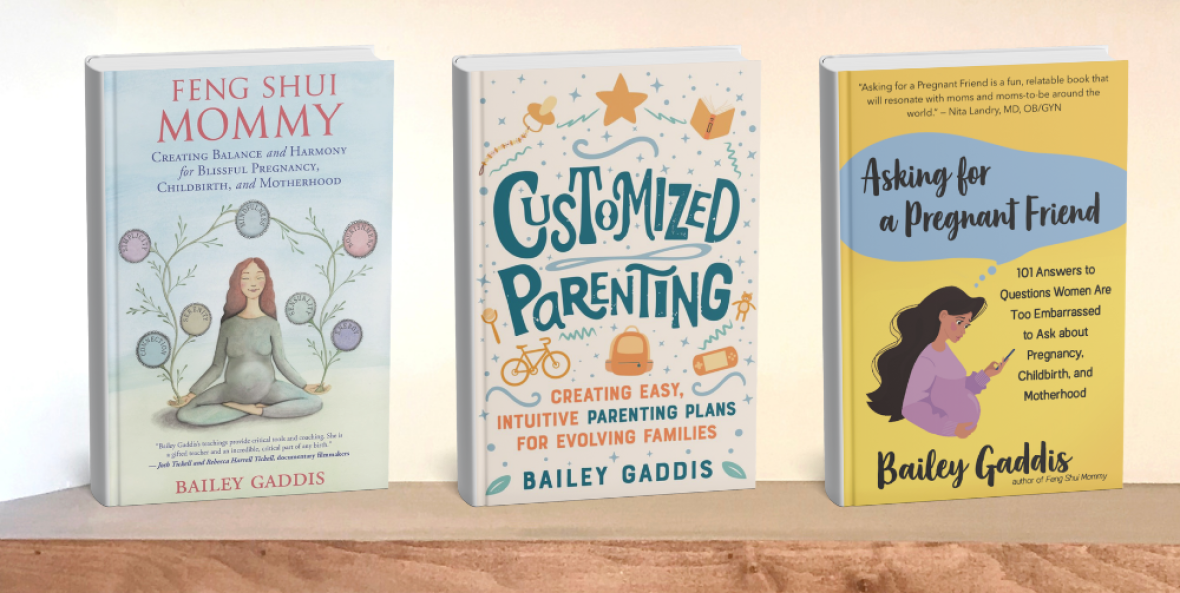
Excerpt from Asking for a Pregnant Friend: 101 Answers to Questions Women Are Too Embarrassed to Ask about Pregnancy, Childbirth, and Motherhood

Can I start with a rant? Okay, thanks! I think it’s so unfair that after having monthly periods for many years, then growing a baby for nine months, then birthing said baby, we may have to deal with wildly painful periods — sometimes while our vagina or abdominal scar is still healing. Un- fair. And all dudes have to deal with is a slightly lowered testosterone level when they become a dad. Pshh.

Okay, rant over! Thanks for listening.

So what to do about your heavy, painful periods? First off, let’s look at why it’s happening. For many women, a larger postpregnancy uterine cavity is to blame for heavier periods, as it produces more mucous lining that has to be shed each cycle. But we also want to make sure the pain and bleeding aren’t a sign of a health condition. If the bleeding is occurring within the first few weeks after baby is born and is getting heavier instead of lighter, it could be a sign of a partially retained placenta, which prevents your uterus from contracting back down to size. In this case, you’re not having a period, you’re bleeding because open blood vessels in your uterus have not closed properly. Women experiencing excessively heavy, painful bleeding during this early postpartum period should contact their care provider posthaste. (For more on this, see question 65.)

Other health conditions that can cause heavy, painful bleeding include endometriosis, polyps or fibroids, adenomyosis (thickening of the uterus), or an over- or underactive thyroid.

If you’re not breastfeeding and experience what feels like a period about six to eight weeks after birth (sometimes periods start as early as three weeks after birth), it’s probably a period. If you’re breastfeeding, you could go many months before menstruating, as prolactin can suppress ovulation.

What to do

Don’t suffer in silence. Look into the following to find relief:

Have your iron levels checked. Because heavy periods can screw with your iron levels, and low iron levels can lead to exhaustion and other unpleasant symptoms, have your care provider check for an iron deficiency. If you do have a deficiency, they might recommend iron supplements, IV iron therapy, or diet shifts.

Rule out underlying health issues. In addition to having your iron levels checked, ask your care provider to help you confirm your heavy periods are not being caused by conditions like fibroids or endometriosis. If your care provider is not a specialist in women’s health, ask for a referral.

Consider birth control. As many types of birth control reduce uncomfortable period symptoms or can completely stop periods, you might want to talk to your care provider about getting a prescription for one that’s right for your unique needs. However, make sure birth control doesn’t mask the symptoms of an underlying issue by first having an OB-GYN confirm your reproductive health.

Get some exercise. Exercise is a whiz at helping the body manage hormone imbalances, potentially reducing the heaviness of your next flow. Even going on a thirty-minute walk a few times a week can be helpful.

Know that time may alleviate uncomfortable period symptoms. As your intense periods may be caused by your uterus getting used to life after pregnancy, you can likely expect the heavy flow and pain to somewhat subside after a few months, as your uterus and hormones adapt to their new normal.

Get your copy today.

birth podcast, Childbirth, Pregnancy, pregnancy podcast

Guided Meditation: Feeling Calm as an Epidural is Placed

https://www.podbean.com/media/share/pb-bksxc-12e9448

A guided meditation to help pregnant people feel calm as an epidural is being placed. 

Note: Do not listen to this while driving.

And… 

Email me at BaileyGaddis@yahoo.com if you have any questions about pregnancy, childbirth or early motherhood that you would like answered on this podcast 🙂

birth podcast, Childbirth, Pregnancy, pregnancy podcast

Guided Meditation: Enhancing Your Confidence and Courage for Childbirth

https://www.podbean.com/media/share/pb-939ye-12e9440

A guided meditation to help pregnant people tap into a well of courage to utilize during childbirth. 

Note: Do not listen to this while driving.

And… 

Email me at BaileyGaddis@yahoo.com if you have any questions about pregnancy, childbirth or early motherhood that you would like answered on this podcast 🙂

Uncategorized

I’ve been avoiding sex because I now associate my vagina and breasts with my baby, and I can’t reconcile motherhood with arousal. Is there a way to shift my mind and body out of mom mode so I can enjoy sex again?

Excerpt from Asking for a Pregnant Friend: 101 Answers to Questions Women Are Too Embarrassed to Ask about Pregnancy, Childbirth, and Motherhood

When I was a few months into motherhood, my husband and I had a big fight about sex — and not for the first time. Not surprisingly, he wanted more of it, and I couldn’t get into it. I associated my breasts with breastfeeding, and when I thought of my vagina I could think only of our baby coming out of me. My erogenous zones had turned into mommy zones. This severe shift in perspective suddenly made an act I had always enjoyed feel dirty, and not in the fun way.

To make myself feel better, I started rage journaling (obviously!). During this journaling session I drew what I called my sexuality spectrum. On one end of the spectrum was “using my body to care for a baby” (acts I perceived as requiring 0.01 percent of my sexuality), and on the other end was “using my body to feel sexual pleasure” (acts I thought required 100 percent of my sexuality). I wholly believed the dichotomy of that spectrum was accurate, and it screwed up my sex life for the first year of motherhood. Living by that model meant I had to push through intense mental, physical, and emotional shifts anytime my husband wanted sex, because I’d have to get all the way from one side of the spectrum to the other.

What I failed to realize when I created that spectrum was that the act of breastfeeding and vaginally birthing a baby is a lot more sexual than I realized. After all, my sexuality is what led to me becoming pregnant, birthing consists of the same uterine contractions that happen during orgasms (hence the phenomenon of orgasmic birth, see question 56), and breastfeeding causes nipple stimulation that releases oxytocin, or “the love hormone.” Some women even have orgasms while breastfeeding.

Sex and motherhood mingle a lot more than we realize. But I think that also puts a lot of women off postpartum sex. For example, I have a client who felt aroused when breastfeeding and experienced a lot of shame around that. She then developed negative connotations about anything that caused arousal because it reminded her of what she called the “wrong feeling” when she fed her baby. This caused issues when it came to sex. She used the techniques in the “What to do” section to restructure her beliefs around motherhood and sexual arousal, and eventually found her way back to enjoying sex.

Something else that can turn a new mom off is the shift in identity that she and her partner experience. Our society often paints “good parents” as virtuous, wholesome, married citizens who never curse and have sex only to procreate. Little room is left for arousal, eroticism, and orgasm. I think that’s a shame. Sexual pleasure is an innate, healthy desire — something to be explored and celebrated instead of suppressed and shamed. But that takes work, because many of us have to reprogram our beliefs on having sex as a parent before we can enjoy having sex as a parent. So how do we start that reprogramming and get to the place where we want and enjoy carnal pleasures as much as our partner does?

What to do

Don’t give up on your sex life. Just because it feels awkward now doesn’t mean you can’t transition into a passionate, deeply pleasing sexual relationship with your partner. These tips can help you start that transition:

Look at where your beliefs about sex and parenthood come from. Many times, our blocks around postpartum sex were implanted long before we became mothers. To remove these blocks, take some time to examine where they came from. You could ask yourself . . .

  1. What messages did my parents share about sex?
  2. How did my parents navigate their own sexuality?
  3. What messages have I received about what it means to be a good parent?
  4. What societal messages about sex and parenthood have impacted me?
  5. Do I associate aspects of sex with traits I’ve been made to feel are inappropriate for a parent to have? (For example, do you think dirty talk, oral sex, or masturbation aren’t appropriate
    for a mother?)

Continue asking these questions until you have a solid idea of the forces that impacted your perception of postpartum sex. For there, you can decide what can be thrown out — for example, outdated ideas passed to you from your parents, the media, or society at large. And then, determine how you would like to perceive postpartum sex. Because that’s the thing, you have the right to create your own definition of what sex after birth looks like, and you don’t need anyone’s permission to live by that new definition. Here’s an example of a new definition, “I perceive postpartum sex as a beautiful dance between me and my partner that allows us to bond and to enjoy pleasure. Being a good parent means honoring my need for pleasure.” Here’s to a shift in perspective that fosters unfettered arousal, rolling orgasms, and a shame-free after glow!

Tell your partner how you feel. I can almost guarantee that you that unless you tell your partner what’s actually going on, you not wanting sex will make them feel rejected, like there’s something about them that’s causing you to not want sex. Fill them in on the blocks you’re having, why they’re coming up, and how you want to navigate them. If you don’t yet know how you want to navigate them, ask your partner if they’re interested in helping you in this process. If so, you can read through these suggestions together or come up with other possible solutions that suit your unique relationship. This communication can foster connection and prevent rifts or resentment that might be caused by changes to your sex life. An added bonus is your partner will probably put less pressure on you to have sex when you’re not feeling it.

Ask to lead the way during sex. When you’re first finding your bearing as a mother who is also a sexual being, ensure that sex moves at your pace by asking to set the pace. Move as fast or slow as you want. Tell your partner how you want to be touched. Let them know when you’re ready to be penetrated or intimately touched on the vagina — of it you’re not ready for that. Teach them what kind of touch on your breasts does and does not feel good. While this instruction might seem strange at first, it can help you feel empowered in your sexuality, and support you and your partner in understanding how to please this new version of you.

Take solo “warm-up” time before sex. For many women, the mind needs to be aroused before the body can get on board. So before you and your partner get frisky, slip away to the bathroom or another private space, and start thinking about things that turn you on. You can also pleasure yourself. Take your time, giving your mind and body time to warm up. Then, when your freshly aroused self is ready, go to your partner.

Get your copy today.

birth podcast, Childbirth, Pregnancy, pregnancy podcast

Guided Meditation: Advocating For Your Birthing Rights

https://www.podbean.com/media/share/pb-kxwmq-12e9436

A guided meditation to help pregnant people advocate for their birthing rights.

Note: Do not listen to this while driving.

And… 

Email me at BaileyGaddis@yahoo.com if you have any questions about pregnancy, childbirth or early motherhood that you would like answered on this podcast 🙂

birth podcast, Childbirth, Pregnancy, pregnancy podcast

Guided Meditation: Birth Affirmations

https://www.podbean.com/media/share/pb-2cztm-12e9430

A series of empowering birth affirmations to help pregnant people prepare and move through a calm, healthy, and happy birth experience. 

Note: Do not listen to this while driving.

And… 

Email me at BaileyGaddis@yahoo.com if you have any questions about pregnancy, childbirth or early motherhood that you would like answered on this podcast 🙂

Uncategorized

Will my vagina feel the same to my partner after a vaginal birth? Will sex feel the same for me?

Excerpt from Asking for a Pregnant Friend: 101 Answers to Questions Women Are Too Embarrassed to Ask about Pregnancy, Childbirth, and Motherhood

After a vaginal birth, your vagina might be a bit wider, which both you and your partner might notice in the first few months after birth. But as you continue to do those Kegels and your vagina settles into its new normal, the changes will be less and less noticeable. In addition, some women experience vaginal dryness as their hormones shift, but this will work itself out after a few months.

Beyond the physical components of sex, you, your partner, or both of you might experience some mental blocks. One of the big ones is feeling comfortable connecting to your sexual side when so much of your identity has suddenly shifted into parent mode. It can be tricky to reconcile these two pieces of yourself. Because of this, it’s normal for your sex life to go through a dry patch in the early months of parenthood. Just take it easy on yourselves, commit to continuing to have sex every now and then — even when it’s awkward — and know that you can find your way back to a steamy sexual connection.

What to do

Go to a vagina spa. I’m kidding. But doesn’t that sound like something that could actually exist in Los Angeles? Until we discover a vagina spa, try these ideas:

Do Kegels. This exercise is a sexual game changer as it strengthens the pelvic floor muscles that surround the vagina, making it tighter. It also increases circulation to the vagina and pelvic floor, which can enhance arousal and lubrication — Kegels are a great way to get you going before sex. To do them . . .

* Identify your pelvic floor muscles by stopping your stream of urine midflow. Release after a few seconds.

* Focus on pulling the pelvic floor muscles in and up, hold for the count of ten, and then fully release to the count of ten.

* Maintain smooth and easy breathing during reps, slowly inhaling with the intake of muscles, and exhaling with the release.

* Do ten sets, three times a day.

Use lube, if needed. Because nothing kills the mood quicker than a dry vagina, purchase an organic lube to utilize until your hormones start providing natural lubrication again.

Get creative with positions. The temporary changes in your vagina could make positions that used to be lovely feel painful; and positions you haven’t tried, the bee’s knees. Go into sex with curiosity, trying out different positions until you find the one (or many) that do the trick. It’s also important to let your partner know you’re going to lead the way with this, as you’re the one who will know when something is working for, or against, your pleasure.

Consider amping up foreplay. If you’ve tried all the positions and none are doing the trick, return to the tried-and-true techniques of oral sex and fondling. Sex will eventually feel good again, but there’s no need to forego pleasure in the meantime.

Love yourself. A transformed vagina, leaking boobs, a shift in identity, fatigue, seriously limited time to get frisky…it can all lead to some bummer thoughts about yourself. Common thoughts I had in the fourth trimester were, “I’m no longer a sexual being, but a bloated baby bottle. I can’t possibly seem sexy to Eric. I feel so gross. Why am I so sticky? My vagina is probably disgusting, but I’m too scared to look.” I was so mean to myself. And needless to say, this meanness didn’t enhance my connection with myself or Eric.

Do as I didn’t, and tell yourself that the mean voice is full of lies. Instead of allowing yourself to fall down the rabbit hole of those damaging thoughts, be gentle with yourself, continually coming back to the knowing that things will settle down, you’ll reclaim your sense of self and sexiness, and your sex life will get back on track. It won’t happen all at once, and that’s okay. Instead of focusing on what’s not working, pay attention to what is — like the fact that you can create, birth, and nurture a new human. And that stretchy pants exist.

Get your copy today.

birth podcast, Childbirth, Pregnancy, pregnancy podcast

Guided Meditation: Journey Through a Gentle C-Section

https://www.podbean.com/media/share/pb-vsgp3-12e941f

A guided meditation to support pregnant people in envisioning a gentle, safe, and empowered c-section birth experience. 

Note: Do not listen to this while driving.

And… 

Email me at BaileyGaddis@yahoo.com if you have any questions about pregnancy, childbirth or early motherhood that you would like answered on this podcast 🙂

birth podcast, Childbirth, Pregnancy, pregnancy podcast

Guided Meditation: Preparing for an Orgasmic Birth

https://www.podbean.com/media/share/pb-ci9x2-12e9417

A guided meditation to help pregnant people increase the chance of experiencing an orgasmic birth. 

Note: Do not listen to this while driving.

And… 

Email me at BaileyGaddis@yahoo.com if you have any questions about pregnancy, childbirth or early motherhood that you would like answered on this podcast 🙂

Uncategorized

Until my baby is vaccinated, I don’t feel comfortable taking them out of the house or exposing them to anyone but my partner and me. Am I being paranoid?

Excerpt from Asking for a Pregnant Friend: 101 Answers to Questions Women Are Too Embarrassed to Ask about Pregnancy, Childbirth, and Motherhood

I don’t think you’re being paranoid. But let’s peel back the surface of your feelings by considering a few things. First, if your baby has a compromised immune system, it’s wise to be cautious about being around too many people until they’re less vulnerable. And if you’re in the thick of flu season or have family members who have been battling a “bug,” it’s best to avoid exposure for you and baby.

If you have a healthy baby, you’re likely fine to go out. This is especially true if you’re breastfeeding, as breastmilk fills your baby with antibodies and other goodies that work wonders at protecting them from harm, at least for a few months. The one “going out” caveat is that you might want to avoid incredibly crowded areas, like theme parks, malls, and cruise ships, for example, as these are the types of environments that can breed the spread of infection.

With that said, consider whether your hesitancy to leave the house or have people over also has to do with your need to integrate with all the changes you’re going through. Becoming a parent is one of the most massive, sudden transformations a human can go through, which makes it natural to want to pause interaction with the outside world until you get your bearings.

Whatever your reasoning, I recommend following your instincts. If you’re yearning to leave the house but guilt over exposing baby to a virus is holding you back, get creative about safe ways to go out. For example, you could go on walks, so long as you have a hard line with strangers trying to touch baby, which strangely happens more than you’d expect — people see something cute and want to touch. You could also meet friends for a picnic at the park or go to an uncrowded restaurant and sit on the patio. Essentially, choose activities that allow you to be outside, without having close contact with others.

If you want people to come over but worry about invisible dangers they might carry into your home, be strict about them washing their hands as soon as they arrive and holding off on coming over if they’re sick. Your pediatrician can also let you know if there are vaccinations you should confirm that others have before coming over. For example, whooping cough was a big problem when Hudson was born, so I and everyone who would be frequenting our house were vaccinated with Tdap before he was born. In addition to all that, you have every right to not allow anyone to hold the baby.


That’s my long way of saying that what you’re feeling is your maternal instincts giving you a strong signal that you should explore.

What to do

After contemplating where your hesitation to go out with baby or have people over is coming from, consider the following actions, as they can provide a welcome sense of security:

Get a recommendation from your pediatrician. If you’re raring to get out but fear keeps popping up, ask your baby’s pediatrician for their suggestion. They can guide you based on your baby’s unique health circumstances and any public health concerns you should be aware of.

For example, I’m writing this during the Covid-19 outbreak; for obvious reasons, this pandemic makes it easy to decide whether to go out or not. But even when we’re not in the midst of a pandemic, flu season and a flare-up of other viruses could cause the pediatrician to advise you to stay close to home for awhile. Regardless of their recommendation, you’ll likely have more clarity after the chat.

Breastfeed. While breastfeeding isn’t a substitute for vaccinations, the milk does give baby an extra layer of protection for about six months after birth. Breast milk does this by providing antibodies that support the immune system and protect against diseases you have had or have been vaccinated for. These antibodies can bind to potential pathogens and prevent their attachment to the baby’s cells. In addition, breastfeeding can enhance the baby’s response to certain vaccines.

Get vaccinated. Protecting yourself is one of the best ways to protect your baby. So confirm with your care provider that you’re up to date on vaccinations, and ask if they recommend any new ones. Many advise pregnant women to get a Tdap vaccine and a flu shot during pregnancy.

Don’t let others touch baby until they’ve washed their hands. Because close contact, touch in particular, is one of the main ways viruses spread, require anyone who wants to hold baby, or even just touch them, to wash their hands for at least twenty seconds first. And remember, you have every right to not allow others to hold or touch baby if you’re uncomfortable with it.

Verify the health standards of the day care facility you use. If your baby will need day care before they’re vaccinated, confirm the health standards of your preferred center by reading their health and safety inspection report. Many centers post these online, and you can also ask them for a copy. In addition, ask them about their hand-washing policy, vaccination requirements and records for those old enough to receive shots, guidelines for keeping a sick child home, and anything else you feel is important. The Child Care Aware website offers excellent resources for finding quality childcare: childcareaware.org/families /choosing-quality-child-care/starting-child-care-search/.

Avoid crowded spaces. As I mentioned before, crowded areas increase baby’s risk for contracting a virus. While the risk is probably pretty low when an outbreak isn’t occurring, if you’re feeling anxious you can enhance your peace of mind by avoiding crowded spaces until baby is vaccinated. For unavoidable sites like airports, minimize baby’s exposure by washing your hands as often as possible, not letting anyone touch them, and minimizing their contact with public surfaces.

Know that it’s okay to want to stay in. If baby’s health is only a portion of your hesitancy to interact with others, and all parts of you resist the idea of going out or socializing, trust that. Honor your need for time and space.

Create a loose script for when people hassle you about your need for space. Because it can be hard for others to understand your request for space — especially when they’re yearning to meet that adorable baby — come up with a go-to response for when you’re questioned. For example, “The pediatrician recommends we keep baby home and away from others for [insert your desired period of time here], and for baby’s safety we’re going to honor that.” Even if the pediatrician didn’t recommend this, I’m all about blaming it on them, as others are often loath to go against the word of a medical expert.

Get your copy today.

birth podcast, Childbirth, Pregnancy, pregnancy podcast

Guided Meditation: Turning a Breech Baby

https://www.podbean.com/media/share/pb-wkjnw-12e9406

A guided meditation to support pregnant people in achieving ultimate relaxation to support their baby in turning out of the breech into the vertex (head down) position.

Note: Do not listen while driving. 

And… 

Email me at BaileyGaddis@yahoo.com if you have any questions about pregnancy, childbirth or early motherhood that you would like answered on this podcast 🙂

birth podcast, Childbirth, Pregnancy, pregnancy podcast

Guided Meditation: Childbirth Fear Release

https://www.podbean.com/media/share/pb-uy4c8-12e93f6

A guided meditation to support pregnant people in replacing fear of childbirth with hope, trust, and even excitement for the birth process. 

Note: Do not listen while driving. 

And… 

Email me at BaileyGaddis@yahoo.com if you have any questions about pregnancy, childbirth or early motherhood that you would like answered on this podcast 🙂

Uncategorized

I had a horrible childhood and am afraid I’ll replicate that with my child, as I have no good parenting role models. Am I destined to be a bad parent?

Excerpt from Asking for a Pregnant Friend: 101 Answers to Questions Women Are Too Embarrassed to Ask about Pregnancy, Childbirth, and Motherhood

The fact that you want to step away from the negative parenting patterns of your parents is amazing — you’ve already taken a huge leap away from those patterns. Many people grow up in dysfunctional households and never identify what they should try to do differently with their children. You’re in an eyes-wide-open position that’s filled with possibility.

I also invite you to consider that your horrible childhood can be a blessing as well as a curse when it comes to parenting your child. It’s a blessing because you get to start from scratch, and a curse because you have to start from scratch. Regarding the blessing, you have a clean slate you get to fill with your own way of parenting. You get to seek out parenting philosophies that resonate with you, then use pieces of these philosophies to craft your own. It can be an exciting, enlightening process. Regarding the curse, the idea of starting from square one can feel overwhelming. You don’t have positive parenting presets. You don’t have memories filled with happy parenting moments to lean on. You — and your partner, if you have one — are tasked with starting from the beginning. Again, a blessing and a curse.

What to do

Stand firm in the knowing that you’re in no way destined to be a bad parent. You are a wholly unique human who gets to make her own decisions. The dated belief that all women turn into their mothers is ridiculous — you get to choose who you become. You get to choose how you want to parent. The following ideas will help you get on the path that will shape you into the amazing parent you’re destined to be:

Get specific about parenting traits you don’t want to repeat. While you realize you don’t want to parent like your parents, it can be helpful to break down exactly what it is they did or didn’t do that you found damaging. For example, did they ignore you, talk down to you, use corporal punishment, withhold affection, leave you home alone before you were old enough to care for yourself, shame you?

As painful as it might be to dredge this all up, it can be liberating to explore what your parents did and how it impacted you, so you develop a clear picture of how you want to parent. And if you find this difficult to do on your own, seek out the support of a mental health specialist, especially if you experienced abuse.

Determine the type of parent you want to be. Once you pinpoint the parenting methods you don’t want to use, it’ll be easier to determine what methods you want to try. A good place to start is figuring out what the opposite of the negative parenting methods you listed would be. For example, you might list, “actively listening, building up the child’s confidence, using communication instead of physical force to discipline, being openly affectionate, never leaving the child alone (until they’re old enough) or with iffy childcare, supporting the child in navigating failure without shame,” and so on.

Research. The parenting methods you list in the previous step will probably reveal parenting topics you want to learn more about. For example, maybe you’re unsure what nonviolent communication is, are at a loss about compassionate ways to discipline, and want to discover how to be more comfortable with physical affection. Start researching the topics you’re drawn to, and take note of all the ideas and methods you want to try. This will be an ongoing activity, as what works for your family will shift over the years. But every minute of research adds to your base of knowledge and enhances your dedication to being a loving parent. There’s a list of helpful parenting classes and books in the “Recommended Resources” section on page xx to get you started.

In addition to this traditional research, you can research parents you respect. For example, if you appreciate the way your partner’s sister parents, you can spend time observing what she does and doesn’t do, and ask questions about her parenting philosophy. The more you’re around parents who show there’s a better way, the more you’ll develop confidence that you can also choose a better way.

Don’t forget about your intuition. While I’m all about that research, I’m also a big believer in your intuition. The fact that you recognize the damaging aspects of your childhood probably means you’re in tune with your emotions and gut instincts about what feels right and wrong to you. Lean on these instincts as you navigate parenting.


For example, when your child is a toddler and they become upset for no apparent reason, you’ll likely have an instinct about how you can support them. And sure, this instinct might be informed by the parenting research you’ve done, but it’s mainly coming from your inner knowing — your ability to tune into your child and support them in the way that works best for both of you. In some ways, the most important thing you can do as a parent is learn to trust your intuition, and take the time to listen to it when parenting decisions arise.

Stay aware of any impulses to emulate unwanted parenting habits passed on by your parents. As strong as your loving intuition is, it’s not perfect and will sometimes give way to subconscious habits learned from your parents. But all is not lost if that happens. It simply means you’re a human who — like every other human — inherited a few of your parent’s habits. The cool thing is, habits can be changed when they’re noticed. So whenever you have a parenting moment that makes you feel icky, analyze it. For example, if your child is being very persistent about their need for attention, and you snap at them in the way your mother used to snap at you, clock that. You might think, “Hmm, it’s interesting that I responded in that way. How can I stay more calm next time, and respond in a way I feel good about?”

The tricky thing is, it can be hard to have this insight when we’re stressed, as stress can automatically push us into ways of being and thinking we learned as a child. However, developing the habit of using stress-relieving tools like breathing or walking away from a situation until you’ve calmed down helps you step out of the responses your parents ingrained in you, and choose something else.

Essentially, managing stress and keeping your eyes open to the negative influences of your parents’ parenting are two of the best ways to prevent your parents’ unwanted influence from bleeding into your parenting experience.


Be wary of your parents’ current influence. If your parents are a regular fixture in your life, stay attuned to whether your parenting habits change when they’re around. For instance, I have a friend who had a painful childhood and spent years working through her issues with her parents. She eventually got to a place where she could have them in her home for visits — her children were four and eight when these visits began.

What she realized was that she changed the way she treated her children when her parents were around. She either reverted to parenting methods they had used, or went overboard with the new methods she’d learned. “It was like I left my rational mind and based my parenting on their reactions to my children,” she said. “I either wanted to please them, or show them I was a better parent than they were. My kids and husband started dreading visits from them because it changed me so much.”

It got so bad she had a sit-down with her parents. She told them how she felt when they were around and explained that if the visits were to continue, they had to hold their judgments and let her parent the way her children were used to. This didn’t immediately solve all the issues, but it set guidelines that helped prevent her parents’ influence from derailing her thoughtful parenting choices.


Know that you won’t be a perfect parent, and that’s okay. No matter how much effort you put into being an amazing parent, you will make mistakes. Your kids will yell at you, you might yell back, some doors will be slammed, and tears will be shed. This is an inevitable part of parenting, and something no one escapes. When this happens, I encourage you to not punish yourself with guilt and shame, but instead to chalk it up to one of those good ole learning moments and move on. The less time you spend lamenting your parenting mistakes, the more time you can spend loving on your children and yourself.

Get your copy today.

birth podcast, Childbirth, Pregnancy, pregnancy podcast

Best Foods for Fertility Health

https://www.podbean.com/media/share/pb-994c2-12d86f4

The types of foods that will help prime your body for a healthy pregnancy.

To receive more support, get your copy of Asking for a Pregnant Friend: 101 Answers to Questions Women Are Too Embarrassed to Ask about Pregnancy, Childbirth, and Motherhood

And… 

Email me at BaileyGaddis@yahoo.com if you have any questions about pregnancy, childbirth or early motherhood that you would like answered on this podcast 🙂

birth podcast, Childbirth, Pregnancy, pregnancy podcast

How To Increase Your Chance of Developing a Healthy Pregnancy

https://www.podbean.com/media/share/pb-nfttr-12d86f1

Tips for women trying to prepare their mind and body for a healthy pregnancy.

And… 

Email me at BaileyGaddis@yahoo.com if you have any questions about pregnancy, childbirth or early motherhood that you would like answered on this podcast 🙂

Uncategorized

Sometimes I fantasize about running away. Do I need help?

Excerpt from Asking for a Pregnant Friend: 101 Answers to Questions Women Are Too Embarrassed to Ask about Pregnancy, Childbirth, and Motherhood

When I was a new mom, I fantasized about running away to a beachside hotel and sleeping until I no longer felt like I was living underwater. I had it all planned. I would loot my savings so I could pay the hotel in cash and no one could track me through my credit card. I would leave my cell phone under my mattress with a note saying, “I’m alive, but barely, and I’ll return when I’m ready.” The closest I got to this was stopping at the beach parking lot on my way home from Target one day, rolling down the windows, and sleeping for thirty minutes. Most new moms, as well as veteran moms, admit similar fantasies. So we’re not alone.

But just because we’re not alone doesn’t mean it feels good to want to run away from our lives. Something that might help you feel better is knowing most moms that have the running-away fantasy don’t actually want to ditch their families forever; they’re just looking for a few hours (okay, maybe a few days) where they don’t have to take care of anyone’s needs but their own. They want some precious time to screw their head back on. To get so deeply asleep they’re facedown, drooling into a pillow in a pitch-black, airconditioned hotel room. To order room service. To remember what their dreams are. To take a shower, or a poop, without someone crying for them. I think this is a totally normal, valid fantasy.

With that said, if you feel like you want to run away because it seems you’re of no value to your family, you feel too sad or anxious to care for anyone, or you’ve become so obsessed with thoughts of running away it becomes hard to function, you might be experiencing postpartum depression, anxiety, or OCD. In that case, a perinatal mental health specialist is the person to see. They can help you figure out what’s going on and provide specialized support.

What to do

Recognize that this fantasy is a not a sign that you weren’t meant to be a mother; instead it’s trying to guide you toward a life where your needs are honored. Here’s how to listen to that guidance:

Let yourself feel entitled to help and alone time. Some women think they should thank their lucky stars when someone steps in to help with their baby. Or that they need to sing their partner’s praises when they offer to hold the baby while mama sleeps. While it’s fine to feel thankful and express that thanks, you should also expect this support, and even demand it. It shouldn’t be something you stumble upon as often as you find a leprechaun passing out Xanax at the end of a rainbow. You should stumble upon help and time for yourself as often as you throw a load of spit-up-stained shirts into the wash.

What I’m saying is, when you start fantasizing about running away, make a clear plan with your partner or your go-to baby-care person about when you need them to take baby, and for how long. Some women feel that in asking their partner for this support they’re asking for a favor, but no. You’re not asking for a favor. You’re asking your partner to provide something that is your right, not a privilege. So as uncomfortable as this might initially be, I encourage you to clearly let them know what you need, instead of asking if it’s something they’d be willing to do. Claim your right for support.

Fulfill your fantasy. Because the fantasy of playing hooky from your life is usually sparked by a need for alone time, grab it by the horns. When your baby is an infant and incredibly dependent on you, maybe the most you can hope for is a few hours out of the house. But you should take it! Use that time to get a massage; bring a blanket to the beach or a local park, lie down, and sleep in the fresh air; or take your journal or laptop to a coffee shop and write. Do that thing you really want to do but keep thinking, “Nah, I don’t have enough time.”

When baby is a bit older and can survive without you for a night, consider booking a hotel room (and using it). And yes, there will probably be guilt and hesitancy and all that other mom stuff when you prepare to leave, but if you can force yourself to get to that hotel and fully focus on you for twenty-four hours, you’ll return as You 2.0.

Learn from your fantasy. Do me a favor and take a minute to envision what you would do after running away. After you take care of the basics like sleeping, eating, bathing, and maybe having a good cry, what do you see yourself doing? What are the things you would do to make yourself happy if you had no one else to care for? Let yourself go there, then write down what you see.

I did this when Hudson was a newborn, and I saw myself going on sunrise beach runs, taking long showers, sipping coffee while getting absorbed in a writing project, napping, watching some good ole reality television, and eating dessert I didn’t have to share. It was pretty basic stuff. What I realized was that while I wasn’t at a place where I could check off all those activities every day, I could sprinkle them in. So from that point on I committed to doing at least one activity from my fantasy list each day, and it was life changing. I now have a seven-year-old and am thrilled to say I usually do some version of everything on my fantasy list every day. And I didn’t have to run away from my family to do it!

So use your fantasy, mama. Use it to inform how you start blending your fantasy world with your real world.


Let yourself do less. I’ll bet that when you envisioned your fantasy you saw yourself juggling way less than you are now. There’s a reason for that. Moms are taught to stretch ourselves so thin we’re transparent. Cook fresh, organic food. Exercise. Feed baby on demand. Never let them sit in a wet diaper for longer than 3.5 minutes. Maintain a clean, organized home. Call your mom. Keep a foot in your career. Nurture your romantic relationship. Shower. Brush hair. Have a bowel movement. Burp baby. Sleep. (Wait, no, scratch that.) Oy vey. It’s just so much. But here’s a wild idea. What if you let yourself just cross some of the stuff off the list? (At least for now, when baby is such a fresh human and so demanding.) What if you asked someone else to do the cleaning and grocery shopping? What if you let yourself do less and know that it’s not giving up, but getting smart? Try it out for a week and see how it feels.


Tell someone where you’re going. I know a few women who went to the grocery store and ended up at a local hotel. In all cases but one, the women called their partner to let them know where they were. While those were awkward conversations, the partners at least knew they were safe. In one situation, the mom did not inform anyone and turned her phone off. Her sister found her right before her husband called the police. Don’t let that happen to you — it will just cause more stress. Play hooky if you feel you have no other choice, but make sure the person caring for your baby knows what’s up.

Get your copy today.

birth podcast, Childbirth, Pregnancy, pregnancy podcast

Quick Meditation to Enhance Fertility Healthy

https://www.podbean.com/media/share/pb-cvpsm-12d86eb

A meditation to support you in envisioning your reproductive system glowing with health.

To receive more support, get your copy of Asking for a Pregnant Friend: 101 Answers to Questions Women Are Too Embarrassed to Ask about Pregnancy, Childbirth, and Motherhood

And… 

Email me at BaileyGaddis@yahoo.com if you have any questions about pregnancy, childbirth or early motherhood that you would like answered on this podcast 🙂

birth podcast, Childbirth, Pregnancy, pregnancy podcast

How Myo-Inositol Supplements Might Help Fertility, Especially If You Have PCOS

https://www.podbean.com/media/share/pb-zf5ve-12d86e9

Insight into the research showing that myo-inositol supplementation might support fertility health, especially in women with PCOS.

And… 

Email me at BaileyGaddis@yahoo.com if you have any questions about pregnancy, childbirth or early motherhood that you would like answered on this podcast 🙂

birth podcast, Childbirth, Pregnancy, pregnancy podcast

What PCOS Is and How It Can Impact Fertility

https://www.podbean.com/media/share/pb-cbcpn-12d86e1

A breakdown of the common symptoms of PCOS and how it’s typically treated.

And… 

Email me at BaileyGaddis@yahoo.com if you have any questions about pregnancy, childbirth or early motherhood that you would like answered on this podcast 🙂

Uncategorized

I have horrific thoughts about awful things happening to my baby. Sometimes I imagine being the person inflicting harm. Am I crazy? Am I a danger to my baby?

Excerpt from Asking for a Pregnant Friend: 101 Answers to Questions Women Are Too Embarrassed to Ask about Pregnancy, Childbirth, and Motherhood

I would stop breathing whenever I let myself think about something horrible happening to my baby. Leukemia. A deadly car accident. SIDS. A kitchen accident. The list goes on. The thoughts would slam into me out of nowhere. One time, I was changing Hudson’s diaper and had a vision of him and Eric being in a lethal head-on collision. I froze. Diaper in mid-air. I was there. Feeling all the feelings I assume I would feel if that — the worst — happened. Then Hudson peed on me, and I snapped out of it. These thoughts didn’t come every day, but they came often enough that I had to build walls. I refused to let my mind go there. And if it tried, I would combat it with heavy-duty distraction.

When the distractions got too exhausting and less effective, I saw a therapist. She helped me find a balance between running from the nightmares and letting them swallow me. She also helped me recognize that feeling like something horrible was about to happen didn’t mean anything was actually going to happen. It was just a false thought triggered by the facts that my newborn was so vulnerable and I was almost entirely responsible for keeping him alive. She offered heaps of techniques, and I tried them all. The ones that worked are in the upcoming “What to do” section. But according to the therapist, what I experienced was pretty mild. Some women get so buried in nightmarish thoughts about their baby they can barely function.

One of the most frightening mental phenomena some new parents experience is thoughts of intentionally or accidentally harming, or even killing, their child — a type of something labeled “intrusive thoughts.” Most report that they don’t actually want to harm their baby but still have vivid thoughts of doing so. These thoughts can really become frightening for a parent when they’re doing something like bathing their baby, driving with them, or partaking in other activities that present obvious risks. It can cause an almost constant state of paranoia, and keeping things under control can take debilitating amounts of energy. For obvious reasons, this is a mental state parents rarely tell anyone about, out of fear their baby will be taken away. But what many don’t realize is that these thoughts are more common than you’d expect. A study published in BMC Psychiatry found that between 70 and 100 percent of new mothers report unwanted intrusive thoughts of infant-related harm, and half of all new mothers have intrusive thoughts about harming their infant on purpose. These thoughts don’t make you a monster, they’re just a sign you’re experiencing a very treatable psychological condition. Any mental health specialist worth their salt will not even think of reporting you, as long as you can honestly acknowledge that you find the intrusive thoughts disturbing.

When these intrusive thoughts become consistent and regularly impact your ability to function, they might be a sign of postpartum obsessive compulsive disorder (OCD). This can manifest as obsessive attempts to suppress the intrusive thoughts, partaking in obsessive rituals that you are convinced will prevent harm from befalling your baby (like constantly praying or checking on them), or avoiding triggering situations like bathing the baby or driving with them. Not surprisingly, OCD has been connected to issues with serotonin regulation and elevated levels of oxytocin — both of which are hormones impacted during pregnancy and the postpartum period.

Obsessions with intrusive thoughts can also be triggered by stressful situations and a rapid increase in responsibility, which are both major elements of early parenthood. Because of these factors, some mental health specialists believe slight OCD tendencies might be a normal byproduct of the postpartum experience.

The rarest but most serious cause of these violent thoughts is postpartum psychosis. This condition usually consists of an inclination to harm the baby, extreme paranoia, hallucinations and delusions, sleep disturbances, and disorientation. It typically presents within a week of the baby’s birth. Unlike moms with conditions like postpartum OCD, those with postpartum psychosis rarely realize that they shouldn’t be having thoughts of harming their baby — they don’t find the thoughts terrifying or appalling. This is a situation that requires immediate intervention.

What to do

If the thoughts you’re experiencing are limiting your ability to function, get support from a perinatal mental health specialist. They will likely recommend cognitive behavioral therapy, and they might recommend medication. Follow their advice before you try any of the other suggestions listed below, as you deserve the support of a mental health specialist who can take the unique circumstances you’re working with and help you craft a customized treatment plan. They can also help you normalize what you’re experiencing, which can be an immense relief.

With that said, I want to acknowledge that summoning the courage to tell someone about your intrusive thoughts can be one of the most challenging things you ever do. The good news is, a condition like postpartum OCD is no longer seen as a “scarlet letter.” Ongoing research is helping us understand that these conditions are not signs that someone is a dangerous miscreant, but rather they’re symptoms exhibited by a perfectly normal human experiencing a treatable psychological phenomenon. There’s no shame in speaking up and accepting help. And in the most extreme cases, speaking up might save the life of you or your baby. From there, consider the following:

Remember that the thoughts aren’t “real.” One of the only good things about horrific thoughts about your baby is that they’re likely a shocking contrast to your other thoughts. This contrast can make it easier to pinpoint when a thought is intrusive — aka, a thought that is produced not by the real you but by the condition you’re navigating (e.g., OCD, anxiety, or depression). This realization can help you separate from the thoughts and remember that they’re not indications of something you will do, or even want to do, and they aren’t markers of how you feel about your baby.

Write down what’s true. If you start getting lost in all the horrible things that could happen, home in on what’s actually real by writing it down. For example, you might write, “I grew and birthed my baby — that wasn’t easy; it took strength and courage. I provide a home and nourishment for my baby. I’m not broken. These thoughts aren’t me. These thoughts aren’t true. I love my baby. That’s true.” Keep writing until you feel firmly planted in your truth.

Bring yourself back to reality with your five senses. Another way to pull your mind out of a swirl of worst-case what-ifs is asking, “What do I see, smell, taste, hear, and feel?” Keep listing things your senses are experiencing until the intrusive thoughts loosen their grip.

Remind yourself that you’re not crazy. When you have intrusive thoughts you’re experiencing a symptom, just like someone with the flu experiences the symptom of a fever. And just as the flu can strike anyone, intrusive thoughts can strike anyone. So when you have the symptom of intrusive thoughts, continually remind yourself that you’re a whole, amazing person having an uncomfortable experience that will pass with the right support. And as long as you recognize that the thoughts are disturbing and are nothing you should act upon, you’re doing fine, as this is an indicator that you’re not experiencing postpartum psychosis. Of course, these thoughts aren’t fun, and they could be a sign of postpartum OCD, an anxiety disorder, or postpartum depression, so get that support, mama.


Find a support group. In addition to seeking support from a perinatal mental health specialist, it can be helpful to find an in-person or online support group composed of women having similar thoughts. This can help you feel less alone, normalize your experience, and help you develop a deeper understanding of what you’re going through. To ensure you find a quality group, ask your therapist for recommendations.

Get your copy today.